četrtek, 11. marec 2021

8 clear signs that you are mentally exhausted

 Mental exhaustion is a symptom of long-term stress. Because stress can sometimes last for weeks and months, the whole body has consequences.


When you are constantly engaged in work or activities that trigger stress, cortisol and adrenaline levels remain high for a long time.


Eventually, it begins to interfere with your body's normal functions.


How to recognize that you are mentally exhausted?


- You laugh less than usual, even in situations that are usually funny and fun.


- It seems to you that your feelings are dull, so the food does not have a special taste, the music does not move you, the massage does not give you pleasure and you constantly reach for black and gray clothes.


- You can not sleep, and you desperately need sleep.


- Socializing is difficult for you. When you are with friends or family, you feel that it is difficult to follow the conversations.


- Voices, sounds, and movements easily irritate you. You feel nervous.


- You are irritated by small things, such as waiting in line or talking on the phone for a long time.


- You are starting to feel claustrophobic.


- It is easier to cry in movies, sad news, and sentimental stories.

Can you overdo it with vitamins and what are the consequences?

 The best measure is moderation, and this also applies to taking vitamins and minerals and other supplements for better health. Can you overdo it and what are the consequences?


Here are some things to look out for, but be sure to consult your doctor before consuming:

Omega-3 fatty acids

These healthy fats are known to prolong life, but they are by no means good in large quantities. If you overdo it with the recommended daily dose, they upset the balance of immunity, so the body becomes incapable of just fighting infections and bacteria.


Vitamin C.

The vitamin we all drink "for a good morning." But if you overdose you can upset your digestion. Flatulence, pain, nausea, and vomiting are common symptoms if you take more than 2,000 mg daily. Of course, the dose depends on your age and your health.


Zinc

This mineral strengthens immunity and regulates the metabolism, but if you overdo it, you can cause several problems. Some of these are indigestion, dizziness, headaches, fatigue, sweating, and even hallucinations.

Iron

We know the problems with low iron, but what are the side effects if you overdo it? In that case, iron accumulates in various organs such as the heart and liver. Be careful not to consume more than 45mg of iron a day, but be sure to consult your doctor first for a safe dose, which is different for everyone.


Calcium

Calcium in large quantities usually attacks the kidneys first, and you do not want that. You can also get too much calcium through your daily diet, so be careful.


Note: These are general recommendations, but each body functions differently and faces different health conditions. Be sure to consult your doctor about whether and how much your daily dose of vitamins and other supplements should be.


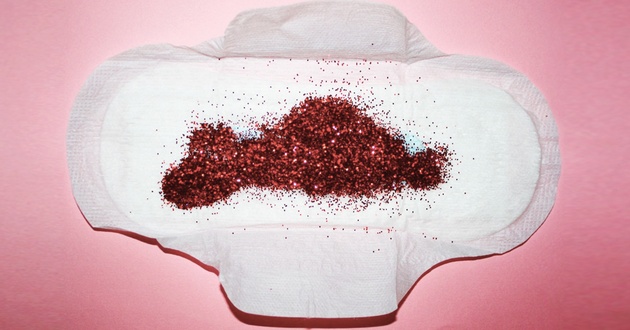
A simple guide to delicate questions - what does the color of your menstrual cycle mean?

 You are probably not the first girl or woman to go "crazy" about the color of her menstrual cycle wondering if something is wrong.


Do not panic, not every menstrual cycle from the beginning to the end has a clear red color. After all, through this simple Instagram video you can find out the reason behind the different nuances of the cycle:


Dark brown or even black - the cycle begins or ends, the tissue is older and has reacted with oxygen.


Dark red color - the same as before, with the cycle becoming more abundant.


Strong red color - the cycle is heavy, and the blood is "new", the lining of the uterus quickly "breaks down".


Light (pale) red or pinkish color - light bleeding or small spots with minimal spillage.


Blood clots - the blood is solid or semi-solid. A sign of a very abundant cycle.

7 things your psychologist would like you to know

 The need for therapy does not mean that you are "crazy" ... You should not be ashamed to ask for help for fear that others will think of you as the first and basic rule.

Going to a psychologist used to be considered a taboo subject, but now it is quite normal.


When you have a problem, you should definitely seek help, because it is your psychologist who may know the secret to how to recover.


You need to relax in the process and build a relationship of trust with your psychologist. That's the key to getting the most out of your sessions.


Things your psychologist would like you to know:

The need for therapy does not mean that you are "crazy"

Therapy is a way to learn to deal better with your feelings and thoughts in a more effective way, says California psychologist and author Tina B. Tessina.


There should be no shame about mental health, whether you are diagnosed with depression or something else. You should not be ashamed to ask for help for fear that others will think of you.


You are stronger than you think

"Clients often see their weaknesses and the things they fail to do, but I see how much they struggle to carry out their daily activities and I see strengths in them.


The metaphor I use is that they are trying to go straight with a 100 kg backpack and I do not think they are thin. "Sometimes I help them realize that I know how much strength they need to get through the day," said Dr. Tesina.


Things can get better

"Sometimes I just want my clients to know that things can get better. An important concept in dealing with emotional pain is to get rid of the hopelessness that overwhelms them after a period of fighting the pain and finding no relief or improvement. "But they should not give up because I see clients whose improvement comes only after a few years."


But your psychologist can not "fix" you

The worst assumption is that psychologists can "fix" clients. Instead, there should be a partnership between the therapist and the client and it only works if both parties are actively involved in the process.


Psychologists know how to walk on the field but can not carry clients on their backs. The client must work and be part of the journey.


No topic is allowed

A good psychologist will make you trust him and feel like telling him absolutely everything.


Psychologists struggle too

A psychologist is an imperfect person with strengths and weaknesses, just like you.


"As a psychologist, I can tell the client how I feel, while I am in chaos and trying to sort out my life," says Tessina.


No, your psychologist will not judge you

If you are very critical of yourself, it will be difficult for you to understand that your psychologist will not judge you, even when you tell the most intimate secrets.


"It is most difficult for me to convince clients to believe that I am not judging them, as they judge themselves. "I do not want them to feel ashamed in front of me."

Dreams have a message - they reveal the hidden and repressed feelings of the person

 Every dream has a message for the dreamer. The dream is a royal path to integration. The dream is important communication with oneself and is the most spontaneous thing a person does. According to Fritz Perls, the founder of Gestalt theory, dreams are unfinished situations that offer us existential messages about our identity, current conflicts, and struggles within ourselves. They reveal feelings that are hidden and suppressed by the consciousness of the person. The dream is a reflection of the unconscious, in it, the human emotional truth appears. Man is the creator of his dreams and they are the most spontaneous thing he does. The dream is a royal path to integration. With sleep therapy, the person sees their projected and rejected parts of themselves and reintegrates them with the help of the therapist.

In Gestalt psychotherapy, dreams are not interpreted but brought to life. They are not translated into meaningful units using a symbolic conceptual system.


In Gestalt theory, the dreamer has a unique and personal symbolism that applies exclusively to him. The client brings the dream to "Here and Now", tells it, and experiences it again in the present, actualizes it.


All parts of the dream are fragments of the client and are explored piece by piece, starting with the most priority. Needs are ranked and manifested hierarchically depending on the importance to the client. Conflicts that are at the top of the hierarchy in the inner world of the person will constantly appear as repetitive dreams until they are processed and resolved.


Every dream carries a message for the dreamer, which should be read, he is important in communication with himself.


The therapist's job is not to interpret and interpret the dream, but to give direction to the important parts of it that the client avoids, suppresses.


The person projects his thoughts, feelings, words, and emotions on other characters in the dream or on an object in it. By entering the role of one of the parts in the dream, the client experiences research, experiences emotions, get new perspectives and awareness. Every part of the dream is personal to the dreamer, he creates it and it has meaning for him


For example, if a person dreams that someone is chasing him in a field, the therapist may suggest that he stop and start a dialogue with the persecutor and get the answers to the questions asked. Then, the client can enter the role of the persecutor and explore that position from which he will get a new perspective, new awareness, and discovery for himself.


Working with dreams in psychotherapy is a very interesting and creative process, through which you can get to know yourself, work on your integration, unfinished business, conflicts, and processes within yourself.


Sleep is a great tool for exploration, self-work, and personal growth and development, which is often and successfully used in the psychotherapeutic process.


torek, 2. marec 2021

Organic farms

 Organic farming (the terms "organic" or "organic" agriculture are also used) is a way of managing in accordance with natural cycles. This means that it is necessary to return to the ground what is taken from them. It is a special form of farming that is gaining importance. However, this is not just a form of farming, but a philosophy, a way of life and thinking. It represents one of the solutions to the ecological problems of the modern world, as it focuses on working together with nature and not against it. In both agriculture and animal husbandry, it emphasizes the prevention of problems instead of their treatment. They use natural fertilizers and sprays to control diseases, weeds, and pests, while the use of artificial fertilizers and chemical-synthetic sprays is prohibited. The use of genetically modified organisms and ionizing radiation is also prohibited. Production and processing take place without the addition of chemical ingredients that destroy most vitamins and minerals. Thus, with organic food, we consume everything that the food contains in its entirety and that our body needs. In animal husbandry, feeding with bone and blood meal, the use of hormones, and the preventive use of antibiotics to treat animals are also prohibited.


Organic farms also emphasize the well-being of animals, which need to be released from the barn every day, as well as free movement on pastures for at least half a year, and they also have minimum standards regarding stable areas. Intensive agriculture, which still dominates the world, causes many ecological problems. It uses large amounts of fertilizers and various other chemicals that pollute the environment, rivers, and waters, and thus all living things. As a result, the disturbed balance of pests is increasing and the food produced in this way is biologically poor, as it contains fewer vitamins and minerals than humans need. In animals, they want to achieve the greatest possible increase in meat in the shortest possible time, so in intensive animal husbandry, they use hormonal and chemical additives, which then pass into the human body. In contrast, organic farming maintains the natural circulation of matter and energy, thus establishing a natural balance that brings many benefits and opposition to intensive agriculture.

How is it in Slovenia?

Since 1998, we have also had the first controlled organic farms in Slovenia, and in 1999 the Association of Organic Farmers of Slovenia (ZZEKS) was established. Farms entered in the register of organic farms have a certificate that ensures the integrity of products that can be purchased under the label "organic food" directly on organic farms, organic markets, or in larger retail chains. Their prices are higher than conventional ones mainly because the yields in crop production are mostly lower, and the production in livestock farming is also lower.

Since then, their number has been growing rapidly every year. Such a farm provides a healthy and less burdened environment, contributes to the healthy life of all who live there, enables greater biodiversity, lower energy and material consumption, preserves the natural fertility of the soil, and also provides the possibility of additional income in the form of tourism.

This way of farming is suitable for both larger farmers and smaller gardeners. Even if we have a small garden or field and we will not sell our crops, we can stick to the principles and try to achieve the goals of organic farming. Despite the fact that this will reduce the amount of crop, we will take care of the environment and ourselves. With organic farming and all its benefits, we will help preserve the environment and biodiversity, while ensuring high-quality food that, in addition to valuable nutrients and antioxidants, also boasts a full, different taste.

ponedeljek, 1. marec 2021

Biodegradable bags

 In Slovenia, about 300-600 million bags are used annually, or 150-300 plastic bags per person, and according to calculations, about 900 bags are discarded every minute. This consumes 8 million liters of fossil fuels, which is absurd mainly because these bags are only used for an average of 20 minutes and then discarded.

They have flooded the whole world, not just Slovenia, mainly because of their practicality and price advantage. A certain proportion of these bags are recycled, and many still end up in landfills and in nature. As many as four of the five shopping bags are made of polyethylene, and plastic materials need 100-1000 years to decompose. However, plastic bags never really break down in nature, but break down into small pieces to which chemicals and toxins bind. With them, we simplify our daily lives and save in the short term, but we rarely think that at the same time we are heavily polluting the environment in which we live and nature, which will sooner or later charge us.


The ecological problems we cause with bags are insufficiently exposed in public and therefore we are often not even aware of them. Rarely does anyone know that thousands of marine animals die every year precisely because of plastic bags, which we carelessly throw away somewhere in nature? These animals replace food bags, eat them, clog their digestive system and die as a result. When the animal disintegrates, the bag comes back into the sea and threatens other animals. Thus, terrestrial animals are also endangered. Namely, plastic bags do not decompose biologically, they undergo light decomposition through which they decompose into smaller and smaller toxic parts that pollute the soil and watercourses. Many cities around the world have problems with clogging drains and sewage systems, leading to an increased chance of flooding and disease outbreaks.


As a solution, they emerged. bio bags. Given that these bags are something relatively new and still not every day, we usually find only a positive response about them in the media, they are presented with superlatives as an "innovation of the future". They emphasize that they are made from corn or potato starch, which is why they can be disposed of in a bio-waste container or in a composter, where they are then decomposed and do not burden the environment. Such bags are therefore environmentally friendly, and at the same time versatile for households (bags for bio-waste, composting) and retail (shopping bags) as well as for agriculture and production.

However, no product is completely ecologically indisputable. Even bioplastics, despite their degradability, are not a perfect solution, as they need raw materials - we have to grow potatoes or corn for them, which does not make sense given the general situation in the world, where about a billion people are starving. Similar to biofuels, we have to allocate a lot of agricultural land for them, where we could otherwise grow food, which reduces the arable land for food production, which also leads to food irritation. The production and distribution of each product require energy and material, with bio-bags being no exception - we also need energy for processing and transport, and composting is not free.


This, therefore, biodegradable plastic does not differ significantly from normal, but it does not leave long-lasting traces in nature, as it decomposes into compost, which is fundamental for the growth of new plants, thus completing the natural cycle.


In all of this, we need to pay particular attention to the goal of what we want to achieve with them. If biodegradable bags become merely a substitute for the existing polyethylene ones, this will not reduce consumption, but will only redirect it. So more lasting solutions are needed.


Campaigns to ban or reduce the use of bags have emerged around the world. At the end of 2010, SD and Zares deputies also proposed new law on the restriction of use and submitted the bill to the legislative procedure before Christmas. With this law, they want to burden the sellers financially and make plastic shopping bags the exception rather than the rule.

This legal solution is not the best either. According to some, a letter to all trading companies stating that the trader is obliged to ask the customer if he needs a bag and to remove disposable separation bags from the cash registers and offer them only when necessary is quite sufficient. The seemingly so complex question, therefore, has a very simple answer. And the bearer of this is again the individual. Before each subsequent purchase, think about the bags first. It is best to have your own bag with you, preferably made of fabric or canvas, but you can also have a basket. At home in the drawer, the bag will definitely not help us, and even less in the trash. If we take this into account, we will be able to offer the same answer to the cashier at the checkout every time - "No, thank you!".

Eco clothing - cotton

 Cotton is a versatile material from which various clothes, towels, etc. are made. It is considered one of the airiest and natural materials, but this is not the case. The production of fabrics has a great impact on the environment and also in the production of "natural" material, such as cotton, huge amounts of chemicals, pesticides and insecticides are used, which are harmful to us and the environment.


We used to change clothes generationally when we outgrew them, they were worn by our siblings, later maybe some cousins, but even after that, the clothes were not as washed and stretched as the clothes we buy today and only wash a few times. The difference is mainly that sometimes there was no such offer of clothes, so they were more expensive and less affordable than today. The essential difference is that the clothes at that time were mostly made of cotton, they were grown more naturally, as fewer fertilizers and aggressive chemicals were used in the production than today. It is true that the yield was consequently lower and the price of the product higher, but the quality of the final product was not disputed.


Today it is just the opposite. Consumers are the ones who dictate the pace of the market, which follows our needs. Consumers and producers have the same logic. The former want more and more different offers at the lowest possible prices, while the latter wants the highest possible yield, the lowest possible costs, and high profits.


All of this revolves in a circle, and the quality of clothing declines as a result. More and more chemicals are used to produce classic cotton, which is confirmed by the fact that only 3% of all agricultural land is used for its cultivation, and on the other hand as much as 25% of all chemical pesticides and fertilizers. Pests adapt quickly to chemicals, so the amounts of these agents are increasing every year. Of course, we and our children feel this on our health, and we are also poisoning the planet on which we live. Nevertheless, things are changing and the situation is improving. In opposition to this, organic cotton processing is emerging, in which only organic fertilizers and natural pesticides are used.

What are the trends?

In recent years, global sales of organic garments made from organically grown cotton have risen sharply. This happened despite the economic crisis, and the reason for this is probably that we humans are becoming more ecologically aware, taking care of our health, and at the same time, we are becoming increasingly aware that we play an important role as individuals in caring for the environment.


The growing demand for organic clothing is also reflected in the growing supply of so-called. "Organic collections" of well-known brands such as Replay, Diesel, Nike, Chanel. Their most common slogans emphasize precisely that ecological awareness can now combine the beautiful and the modern. Thus, in certain stores, we can come across shirts made of organic cotton with buttons made of stone, coconut, wood, or shells. For organic clothing, they use cotton, silk, or linen, which are grown in a natural, organic way, from unmodified seeds and without the use of artificial fertilizers, toxic fungicides, insecticides, and pesticides. They also follow the norms of organic production and use natural dyes in their further processing and production.

Organic cotton

They use similar procedures to grow organic cotton as they used to do - they regularly rotate the products and thus maintain the quality of the soil. They use natural compost instead of artificial fertilizers, and the use of insecticides is also prohibited. Instead, organic farmers encourage natural enemies and lure pests away from cotton by planting other crops. We need more knowledge and patience for such a method of production, so the yield is lower and consequently more expensive. If we want to do something good for ourselves, for the lives of our children and our planet, then we must ignore these "disadvantages", because clothes made of such fabric are healthy and environmentally friendly and of much better quality. This is especially true for organic cotton baby clothes that touch the skin, as they are less likely to cause allergies.


Attention! You need to be careful when buying organic cotton products. It is not enough to read on the label of a textile product that it is made of organic cotton, because this does not necessarily mean that this product is really an eco textile product. In addition to organic cotton itself, the production in which a garment is made is also important. This means you can buy organic cotton dyed with highly toxic dyes, which is not stated on the label. Precisely for this reason, every such product must be certified (such as GOTS, EU Ecolabel, Fairtrade, BSCI, ÖKO-TEX, etc.) and meet textile standards. As a result, the origin of an eco-product without a certificate is still questionable.


Compromise for health and the environment

It is best to compromise between price and quantity, and we must always put health and care for the environment first. So we can afford slightly more expensive organic clothes that are better and more important for the health of us and our children, we just have to learn to buy rationally and ask ourselves what means more to us - a closet full of cheap, low-quality clothes that we wash twice and throw away, or a small number of quality products that will serve us and our health for years and years. By opting for the latter, we will not only do much for ourselves, but also for our environment, which we often forget about.

Solar collectors

 Surely you’ve heard of a way to heat with solar energy. Are you wondering why this method of heating is becoming more and more common in our country as well?

There are probably quite a few reasons. In Slovenia, we have great potential for the use of solar energy, especially for heat production using solar collectors. These, in turn, have many advantages.


Heating with solar collectors is one of the best alternative heating sources. They are based on solar energy, which is free, inexhaustible, and economical, as the sun sends as much energy to the Earth in less than four hours as its entire population consumes in one year. In addition, it is also environmentally friendly, as its use reduces long-term emissions of harmful substances into the atmosphere.


Since this method of heating is still something relatively new and unusual in our country, people are more cautious about this type of investment, but more and more often in recent years. We often wonder if the cost of maintaining collectors is high and how much we will save with them in the end.

The costs of their maintenance are low, and important advantage is that collectors are independent of rising energy prices, such as gas and oil. With an efficient solar system, we can save up to 35% of the total heating costs and up to 60% when heating domestic hot water. The state also contributes its share for environmentally friendly energy by subsidizing.


Experts say that it doesn't matter what kind of system you have used to heat and how old your heating is, as the heating and solar systems are interconnected via a hot water tank, which is usually installed in the boiler room. They also advise turning the collectors to the south, as this is how the sun shines on them for the longest time, and it is best to place them in places where there are many hours of sunshine and no shading from other buildings.


Based on the many advantages of solar collectors, we can conclude that investing in them is profitable for us and the environment in the long run.

Ecological islands

 We, humans, have a huge impact on the environment and we are becoming increasingly aware of this. A reflection of this awareness is the popularity of ecological islands. Ecological islands are cities in agglomerations where containers are placed for various types of waste that can be recycled and reused in the production of new products.


What do we gain by collecting separate waste?

The separate waste collection enables the return of a large proportion of waste back to use, thus reducing the amount of landfilled waste in landfills, which represents the environmental benefit of ecological islands. Precisely because of their environmental function, they are so named. They also reduce the use of natural resources of raw materials, and consequently the consumption of energy for their extraction. With all this, of course, we contribute to a cleaner and more orderly living environment.

Instructions for waste disposal on ecological islands

Ecological islands are becoming more numerous and popular as more and more people recycle. Nevertheless, there are still many who come to the ecological island and leave their waste in bags or do not follow the instructions and do not classify the waste in suitable containers. Don’t be like that, take a minute and try to sort your waste properly.


At least three types of containers are placed on each ecological island, in which we can dispose of glass, plastic, and paper, and in some places also for biological waste and especially for packaging. How many will be set up depends on the local government. They differ from each other in the colors of the lids and the descriptions of use that are affixed to the fronts of the containers. They also have special openings for waste disposal, so we must first arrange the waste in the appropriate form (example of a cardboard box), and pre-clean dirty waste (example of yogurt pots).

So, almost everything that is found in your household as waste can be disposed of separately on equipped ecological islands. However, there is waste that should not be dumped there. Thus, window, car and other flat glass, mirrors, crystal and screen glass, carbon and laboratory glass, ceramic products, a glass of lamps, etc. must not be placed in containers intended for collecting glass. Paper and cardboard packaging and disposable packaging containers must not be placed in paper containers unless they have been properly cleaned and food removed from them; waxed and plasticized paper, wallpaper, dirty and damp paper, and cardboard, etc. Packaging containers do not include aluminum foil, plastic, and metal hollow packaging of hazardous substances or their residues, such as motor oils, plant protection products, paints, varnishes.


Modern man is increasingly realizing that protecting the environment is not just a fad, but much more, it is a necessity of life, as the home of all of us is the Earth, which we must protect together.


Waste is one of the key modern environmental problems. Despite the growing popularity of waste separation and the use of ecological islands, there are still those who think that extra effort with waste separation is unnecessary. Here are some facts and reasons why this is not the case. So each person, as an individual, has great potential to act in an environmentally friendly way, but how he will use it still depends most on his values ​​and the values ​​of the society in which we live.

8 clear signs that you are mentally exhausted

 Mental exhaustion is a symptom of long-term stress. Because stress can sometimes last for weeks and months, the whole body has consequences...